Soft Wash vs. Pressure Washing: What’s Safer for Connecticut Homes?
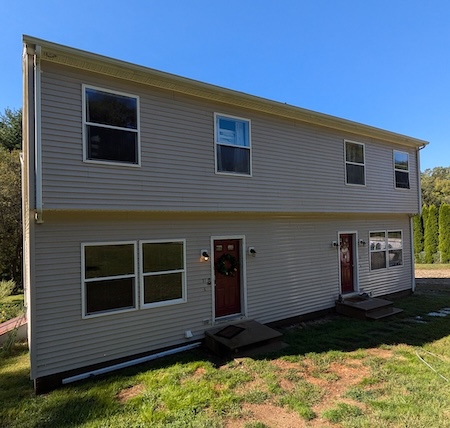
Along the New London waterfront, salt spray, humidity, and shady lots can turn clean siding dull in a season. If you are choosing between soft washing and pressure washing, the safest path depends on your home’s materials and exposure. For a gentle, siding-first approach, our exterior house cleaning service uses controlled pressure and targeted detergents to protect paint, seals, and trim while removing tough growth.
Why Method Choice Matters For New London Homes
Homes near Ocean Beach, Pequot Avenue, and Bank Street face salt crystals and moisture that feed algae and mildew. Add spring pollen and fall leaf stains and you have a mix that needs the right cleaning method. Pick the wrong one and you can scar finishes, force water behind siding, or leave streaks that return fast.
What Is Soft Washing?
Soft washing relies on low water pressure paired with professional detergents that break down organic growth so a light rinse can carry it away. It protects delicate finishes and helps prevent water from being driven into seams and window frames. This is often the preferred siding cleaning method for coastal neighborhoods because it removes biofilm without abrasion.
- Best for: vinyl siding, painted wood, fiber cement, stucco, trim, soffits, fascia
- Also used on: composite decks, screen porches, and detailed architectural features
Want a deeper dive on timing in our area? See our local guide on how often to soft wash siding in New London.
What Is Pressure Washing?
Pressure washing uses higher water force to lift embedded grime from hard, durable surfaces. It is the go-to for concrete and masonry where strength and texture can handle more power. When matched to the right surfaces, it restores a crisp, even look.
- Best for: driveways, patios, pavers, stone, brick steps, some metal and masonry
- Often paired with: degreasers or rust removers for stains on concrete
Which Siding Cleaning Method Is Safer For Connecticut Homes?
For most siding in New London, soft washing is safer and gives longer-lasting results because the detergents address the algae and mildew that grow in our humid, salt-influenced air. Pressure washing may look effective in the moment, but it can leave microscopic growth behind or push water where it does not belong. Never blast vinyl or painted wood siding with high pressure because it can scar the finish, lift caulk, and drive moisture under laps.
Roofs are similar. Granular shingles and delicate coatings respond best to gentle chemistry and low pressure. If your shingles show streaks or moss, ask about roof cleaning and rejuvenation that cleans carefully and helps restore appearance.
Local Weather Factors That Change The Choice
New London homes deal with four big variables: sea breeze, shade, freeze–thaw, and storm wash. Salt crystals make surfaces sticky, so airborne spores cling. Dense trees hold moisture on north and east walls. Winter’s freeze–thaw opens fine cracks that higher pressure can worsen. After nor’easters, runoff can leave mineral tracks that need chemistry more than force. These conditions tilt the balance toward soft washing for siding and trim, with pressure washing reserved for ground-level masonry.
How Pros Decide: A Simple, Safe Checklist
On every visit, a trained technician looks at:
- Material: vinyl, fiber cement, cedar, stucco, brick, or concrete
- Age and condition: hairline cracks, oxidation, loose paint, brittle sealant
- Soil type: algae, mildew, salt film, soot, leaf tannins, or rust
- Exposure: waterfront, full sun, tree cover, wind direction
When in doubt, we choose the house soft wash approach for siding and trim. It is kinder to finishes and reduces the chance of water intrusion around windows, lights, and spigots.
When Pressure Washing Is The Better Choice
Some jobs call for higher force. Concrete driveways on Montauk Avenue, paver patios in Waterford, and brick steps downtown often have embedded grime, tire marks, or rust that respond best to pressure plus the right detergent. Textured masonry benefits from the mechanical lift that pressure washing provides. The key is matching the tool to the surface so you avoid damage while getting a thorough clean.
Materials To Treat With Extra Care
Older paint, oxidized aluminum, cedar shingles, and hairline-cracked stucco need caution. These can chalk, rut, or shed under aggressive pressure. Soft washing with measured dwell time lets the solution do the work while a gentle rinse protects texture and color. If your siding is older or sun-faded, low pressure is the safer call so you preserve the remaining finish.
Results You Can Expect In New London, CT
With soft washing on siding, you should see a bright, even finish, fewer streaks under fixtures, and slower regrowth through our humid months. On concrete and pavers cleaned with pressure, expect sharper edges, lifted stains, and improved traction on steps and walkways. To keep the whole exterior consistent, many homeowners pair siding soft washing with targeted pressure washing on hardscapes in the same visit.
If the roof also needs attention, combining gentle house washing with roof cleaning and rejuvenation delivers a top-down refresh that looks uniform from the curb.
New London Neighborhood Notes
Waterfront streets like Pequot Avenue and Ocean Avenue often need yearly soft washing because wind-blown salt speeds up algae growth. Homes tucked under tall oaks near Hodges Square can need it a bit sooner on the north wall after a rainy spring. Inland spots with strong sun and airflow can often stretch siding cleaning intervals, especially when windows, trim, and screens are rinsed during service.
For background and homeowner planning, our article on how often to soft wash siding in New London outlines rhythms that fit Connecticut’s seasons.
Choosing The Right Partner
Look for a provider that inspects materials first, explains chemistry and rinse steps, and stands behind the work. It should be clear when they will soft wash siding and when they will pressure wash concrete. You want a team that treats landscaping with care, shields outlets and fixtures, and rinses glass to prevent spots.
To learn more about our approach and see services at a glance, you can start from soft washing vs pressure washing in New London, CT and explore what fits your home.
The Bottom Line For Safer Cleaning
Use soft washing for most siding and trim. Use pressure washing for hardscapes and masonry. Blend both if your property mixes delicate finishes with tough surfaces. That balance keeps curb appeal high and helps your exterior last through wet springs, hot summers, and windy fall storms.
When you want a gentle touch on walls with a strong finish on concrete, our team at Beachfront Softwash can plan the sequence so rinse water never re-soils clean areas and your results look even from top to bottom.
Ready For A Safe Exterior Refresh?
If your siding shows green streaks, a gray salt film, or blotchy shadows, it is time to act before summer humidity sets in. Schedule professional exterior house cleaning and let our crew match the right method to each surface. Call Beachfront Softwash at 860-383-9702 and we will put together a plan that fits your block, your exposure, and your finish.
Want your home to look freshly painted without risking harm to siding or seals? We are here to help, from careful house soft washing to hard-working concrete cleaning. Book your spot now and start with expert exterior house cleaning for your New London, CT home.
Exceed Your Power Washing Expectations With Beachfront Softwash in New London County & Surrounding Areas