How Often Should You Soft Wash Siding on New London Homes?
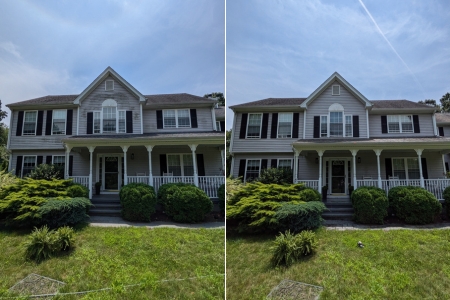
Live near the water long enough, and you see it on your siding fast: salt spray, algae, and that gray film that dulls the look of your place. If you’re wondering about soft washing frequency and the right schedule for exterior house washing in New London, CT, you’re not alone. Most homes along the Thames River and the shoreline build up organic growth more quickly than inland homes. For a safe, gentle clean that protects paint and siding, homeowners often choose exterior house washing in New London with a soft wash approach.
What Soft Washing Does for Coastal Siding
Soft washing uses low water pressure paired with detergents designed to break down algae, mildew, and grime. Instead of blasting the surface, it lets the solution do the heavy lifting, then rinses everything away with a light touch. That matters on vinyl, painted wood, and fiber cement because high pressure can force water behind boards, scar the finish, or strip paint.
Along the New London waterfront and neighborhoods like Ocean Beach and Pequot Avenue, salt crystals and sea breeze settle on walls day after day. Add summer humidity, and you get a perfect environment for green algae. Soft washing removes that salty film and organic growth while helping your siding hold its color longer.
How Often Should You Soft Wash Siding in New London?
There isn’t a one-size plan because every home faces different wind, shade, and exposure. Still, these ranges work well for many local homes and can be adjusted after a season or two:
- Vinyl siding: about every 12 to 18 months, closer to 12 near trees or the shoreline.
- Fiber cement: roughly every 12 to 24 months, depending on shade and airflow.
- Painted or stained wood: about every 6 to 12 months to keep mildew from taking hold.
The sweet spot for most New London properties is a yearly soft wash. Homes tucked near the harbor, shaded yards off Hodges Square, or places within a few blocks of the beach may benefit from a spring clean plus a quick fall rinse. If you’re inland or get strong sun with good airflow, you can often stretch to every 18 months. Soft washing is a gentle house washing method for coastal climates, so it fits our weather pattern without putting your siding at risk.
Five Signs It’s Time To Schedule a Soft Wash
Even if your calendar says you can wait, your siding might be telling a different story. Watch for these early warnings:
- Green or black streaks near downspouts, shaded sides, and under soffits.
- A chalky, gray film that makes paint look flat even after a sunny week.
- Spider webs and sticky residue seem to collect dust overnight.
- Musty odor along the north side after rain or morning fog.
- Rust-colored drip lines from metal fixtures or well water overspray.
If you see new growth return within months, your home likely needs a shorter soft washing cycle and a focus on the most shaded walls.
Local Factors That Change Your Cleaning Schedule
Salt and Wind Exposure
Homes on or near Pequot Avenue, Bank Street, and Ocean Avenue take on more salt and mist. That salty film is sticky, so airborne spores latch on and grow. If you can smell the ocean on your porch after a breezy night, plan more frequent soft washing.
Shade, Trees, and Landscaping
Tall oaks, tight side yards, and big hedges hold moisture against siding. Moisture plus shade speeds up algae. If the grass stays damp until lunchtime, expect to clean more often.
Siding Material and Age
Texture and coatings matter. Deep wood grain, older paint, or rough fiber cement can trap grime faster than smooth vinyl. Newer coatings may resist buildup longer, but they still benefit from a gentle wash to keep the finish bright.
Storms and Seasonal Rains
Nor’easters, late-summer downpours, and sea fog all feed organic growth. After a stormy season, check the north and east walls first. Those sides usually stay wet the longest.
Why Soft Washing Beats High Pressure for Siding
Pressure is great for hard surfaces like concrete, but siding is different. High pressure can drive water behind vinyl laps and under trim, which creates hidden moisture problems. It can also scar wood grain or etch fiber cement. Soft washing relies on dwell time and the right mix, then a low-pressure rinse that protects caulk, paint, and seals.
Avoid high pressure on vinyl and wood, especially near windows, seams, and light fixtures, where water can get pushed inside.
If you’re planning a larger refresh that includes driveways, walkways, or deck railings, our pressure washing team in New London can coordinate your house wash with those surfaces so the whole exterior looks even and clean at once.
Seasonal Timing That Works in New London
We see two reliable windows for soft washing around the shoreline. Spring through early summer is ideal because it clears winter grime, pollen, and soot before humid weather arrives. Early fall also works well because it removes summer growth and salt before frost. Late fall can be fine too, but aim for above-freezing days so water doesn’t linger in cracks.
Here’s a simple yearly rhythm many homeowners follow:
• April to June: one full soft wash to remove winter residue and spring pollen.
• September to October: an optional light wash for waterfront or shaded homes to reset before winter.
If your siding is vinyl and faces full sun on three sides, one spring cleaning may be enough. For homes nestled under trees in Post Hill or near Shaw’s Cove, consider a spring wash plus a lighter fall service focused on the north and east elevations.
How Material Choice Affects Frequency
Vinyl Siding
Vinyl resists water but still collects biofilm. A yearly schedule usually keeps it bright. If you notice chalking or dullness, a soft wash can lift that film and restore sheen without harsh abrasion.
Fiber Cement
Painted fiber cement holds color well, yet its texture can hang onto fine grit and algae. Plan 12 to 24 months between cleanings and keep an eye on the shaded sides after wet summers.
Painted or Stained Wood
Wood needs more attention because mildew can root in the pores. Short cycles at lower pressure with the right detergents help protect the finish. If you’re near the water or under heavy tree cover, plan on the shorter end of the range.
Protecting Plants, Pets, and the Waterfront
Soft washing should be gentle on landscaping when it’s done right. Good pros pre-wet plants, control runoff, and choose detergents suited for coastal areas. Rinsing fixtures, fences, and nearby glass helps prevent spots after the final rinse.
Ask about plant-safe detergents and protective rinsing around gardens, especially if you’ve got roses, hydrangeas, or herbs close to the house.
What If Your Siding Still Looks Dull After Cleaning?
If the surface is clean but looks flat, it’s often leftover oxidation or UV fade on older paint or vinyl. Soft washing removes contamination but can’t reverse sun damage. That’s normal on walls that face open water or long afternoon sun. A fresh coating or manufacturer-recommended restoration product may be the next step, and a quality soft wash sets a clean base for it.
A Simple Rule For New London Homes
Start with once a year. After the first cycle, watch your north and east walls for the next six months. If growth returns quickly, move to a spring-and-fall plan. If the siding stays clear, stick with a yearly wash and check again after peak humidity. The right frequency protects curb appeal, helps your paint and siding last longer, and keeps salt and pollen from taking over. If you want a plan made for your block and your exposure, request a quick look from Beachfront Softwash. We’ll consider shade, wind, and distance from the shoreline, then set a soft washing rhythm that fits your home and routine.
Want your siding to look freshly painted without risking damage? Call Beachfront Softwash at 860-383-9702 and get a soft wash plan tailored to your New London, CT home.
Exceed Your Power Washing Expectations With Beachfront Softwash in New London County & Surrounding Areas